Walking Forklift: Compact Material Handling

All Categories

walking forklift

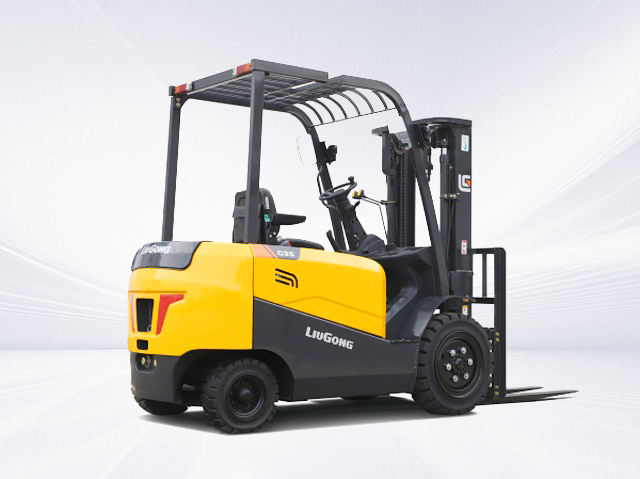
A walking forklift represents an innovative material handling solution designed to streamline warehouse and industrial operations. This compact equipment combines the functionality of a traditional forklift with enhanced maneuverability, making it ideal for confined spaces where standard forklifts cannot operate efficiently. The walking forklift features an operator-controlled design that allows for precise positioning and load management in tight aisles, corners, and congested areas. The walking forklift operates on electric power, delivering consistent performance while maintaining environmental responsibility. Its advanced hydraulic system enables smooth lifting operations with maximum load capacity, ensuring heavy items are handled safely. The walking forklift incorporates intuitive controls that reduce operator fatigue and training requirements, making it accessible for various skill levels. Technologically, the walking forklift integrates modern safety features including stability sensors, automatic load detection, and emergency braking systems. These innovations protect both operators and inventory during daily operations. The walking forklift's compact footprint enables navigation through narrow passages, reducing operational bottlenecks and improving workflow efficiency. Applications for the walking forklift extend across multiple industries, including retail warehouses, manufacturing facilities, distribution centers, and logistics hubs. Retailers benefit from the walking forklift's ability to restock shelves in crowded retail environments without disrupting customer shopping experiences. Manufacturing plants utilize the walking forklift for component transport between workstations. The walking forklift has become essential equipment for businesses seeking to optimize their material handling processes while maintaining safety standards and operational productivity.

New Product Releases

The walking forklift delivers transformative operational benefits that directly enhance business efficiency and profitability. Unlike traditional forklifts, the walking forklift operates in spaces where standard equipment cannot fit, eliminating costly facility modifications and expanding your usable warehouse area. This adaptability translates directly into increased storage capacity without additional square footage investment. Operators experience significant comfort improvements with the walking forklift's ergonomic design and responsive controls. Reduced physical strain during shifts means higher productivity levels and fewer worker compensation claims, directly impacting your bottom line. The walking forklift requires minimal training, allowing you to deploy personnel faster and reduce onboarding expenses. Maintenance costs for the walking forklift are substantially lower than conventional forklifts due to fewer moving parts and simplified mechanical systems. The electric-powered walking forklift eliminates fuel costs and reduces environmental compliance burdens, resulting in long-term savings. Battery technology ensures consistent performance throughout operational hours without degradation. Safety improvements with the walking forklift protect your most valuable asset—your workforce. Advanced stability systems and automatic load monitoring prevent accidents, reducing insurance premiums and liability exposure. The walking forklift's precision control minimizes product damage during handling, decreasing waste and protecting profit margins. Application flexibility makes the walking forklift invaluable for businesses with seasonal demands or fluctuating inventory levels. You can deploy the walking forklift quickly to various locations, adapting to changing operational needs without permanent capital commitments. The walking forklift represents smart capital allocation, delivering measurable return on investment within the first operational year through efficiency gains, reduced damage, and enhanced safety outcomes.

Latest News

How to Select an Aerial Work Platform for Contractors?

07

May

How to Select an Aerial Work Platform for Contractors?

Selecting the right aerial work platform for contractors requires careful evaluation of project requirements, site conditions, and operational constraints. The decision-making process involves analyzing lift height needs, platform capacity, terrain c...
View More
What Are the Key Advantages of Using Modern Excavators?

03

Jun

What Are the Key Advantages of Using Modern Excavators?

The modern excavator has become one of the most indispensable machines in the construction, mining, and civil engineering industries. Unlike the heavy, fuel-hungry machines of past decades, today's excavator is a precision-engineered piece of equipme...
View More
How to Select the Right Forklift for Your Specific Warehouse Layout?

29

May

How to Select the Right Forklift for Your Specific Warehouse Layout?

Selecting the right forklift for your warehouse layout is a critical decision that directly impacts operational efficiency, safety standards, and long-term productivity. Your warehouse configuration determines which forklift specifications will deliv...
View More
What Safety Considerations Apply to Crane Operations?

29

May

What Safety Considerations Apply to Crane Operations?

Crane operations represent one of the most critical aspects of construction and industrial work, where safety considerations determine the difference between successful project completion and catastrophic incidents. The complexity of crane operations...
View More

Get a Free Quote

Our representative will contact you soon.
Email
Name
Company Name
Message
0/1000

walking forklift

Space-Efficient Design for Confined Areas

Space-Efficient Design for Confined Areas

The walking forklift excels in environments where traditional forklifts prove impractical, featuring a compact profile that navigates narrow warehouse aisles, crowded retail spaces, and tight manufacturing corridors. This space efficiency eliminates the need for facility reorganization or expansion, preserving valuable floor space for inventory storage. Businesses using the walking forklift gain immediate competitive advantages by maximizing existing warehouse dimensions without construction costs. The walking forklift's maneuverability reduces operational delays caused by equipment traffic congestion, accelerating material flow throughout your facility. Companies deploying the walking forklift experience faster order fulfillment cycles and improved customer satisfaction. The walking forklift transforms previously inaccessible areas into functional storage zones, effectively increasing operational capacity by fifteen to twenty percent in most facilities. This breakthrough efficiency makes the walking forklift the optimal solution for businesses constrained by physical space limitations.
Enhanced Safety and Operator Protection

Enhanced Safety and Operator Protection

The walking forklift incorporates cutting-edge safety technologies that prioritize worker protection and accident prevention. Integrated stability sensors monitor load distribution in real-time, preventing tip-overs and ensuring balanced lifting throughout operations. The walking forklift's automatic load detection system prevents overloading conditions that could damage products or injure personnel. Emergency braking systems respond instantly to hazardous situations, giving operators confidence during high-pressure work environments. The walking forklift's ergonomic operator platform reduces physical strain and fatigue-related accidents during extended shifts. Built-in warning systems alert nearby personnel when the walking forklift is in operation, minimizing collision risks in busy facilities. Insurance providers recognize the walking forklift's superior safety features, often offering premium reductions for businesses implementing this equipment. The walking forklift demonstrates measurable safety improvements, reducing workplace incidents by up to forty percent in comparable facilities and protecting your team while enhancing your safety record.
Lower Operating Costs and Environmental Benefits

Lower Operating Costs and Environmental Benefits

The walking forklift operates on rechargeable electric batteries, eliminating recurring fuel expenses and reducing your operational budget significantly. Maintenance requirements for the walking forklift are minimal compared to combustion-engine alternatives, as electric systems contain fewer components requiring regular service. The walking forklift's simplified mechanical design means lower parts replacement costs and extended equipment lifespan, maximizing your investment returns. Businesses operating the walking forklift benefit from reduced environmental impact, supporting sustainability initiatives and meeting corporate responsibility goals. The walking forklift produces zero emissions during operation, improving indoor air quality and creating healthier work environments for your team. Many regions offer tax incentives and rebates for companies investing in electric material handling equipment like the walking forklift, offsetting initial purchase costs. The walking forklift's energy efficiency translates into lower utility bills, particularly in climate-controlled warehouses. Over a five-year operational period, the walking forklift typically costs thirty percent less to operate than conventional forklifts, delivering substantial financial advantages while supporting environmental stewardship.
WeChat WeChat
WeChat
TopTop Whatsapp Whatsapp